
Fewer staff check-ins
With sensors in place to discreetly track how Callum was getting on, fewer staff check-ins were needed – especially at night.
Canary Care’s activity-monitoring system helped Callum move safely from long-term ward care to living in a community, allowing his family and care team to monitor well-being without constant check-ins.

Snapshot
Moving someone from long-term care into the wider community poses real challenges for their carers and family. In these situations, striking the right balance between offering support and building independence is crucial.




Challenges
When helping Callum build a new life outside of hospital care, his family and care team faced a few key challenges.

His care team needed to provide a level of structure that was supportive, without being restrictive.

After many years of rigid routines and round-the-clock support, Callum naturally lacked confidence when it came to managing his own routine.

Callum’s family and care team needed a way to make sure he was safe, without constant check-ins that could undermine his growing independence.
His care team needed to provide a level of structure that was supportive, without being restrictive.
After many years of rigid routines and round-the-clock support, Callum naturally lacked confidence when it came to managing his own routine.
Callum’s family and care team needed a way to make sure he was safe, without constant check-ins that could undermine his growing independence.
Solution
By managing the transition towards living independently with our remote activity-monitoring system, both family members and care professionals could keep an eye on the Callum’s new routine without relying on non-stop in-person visits.
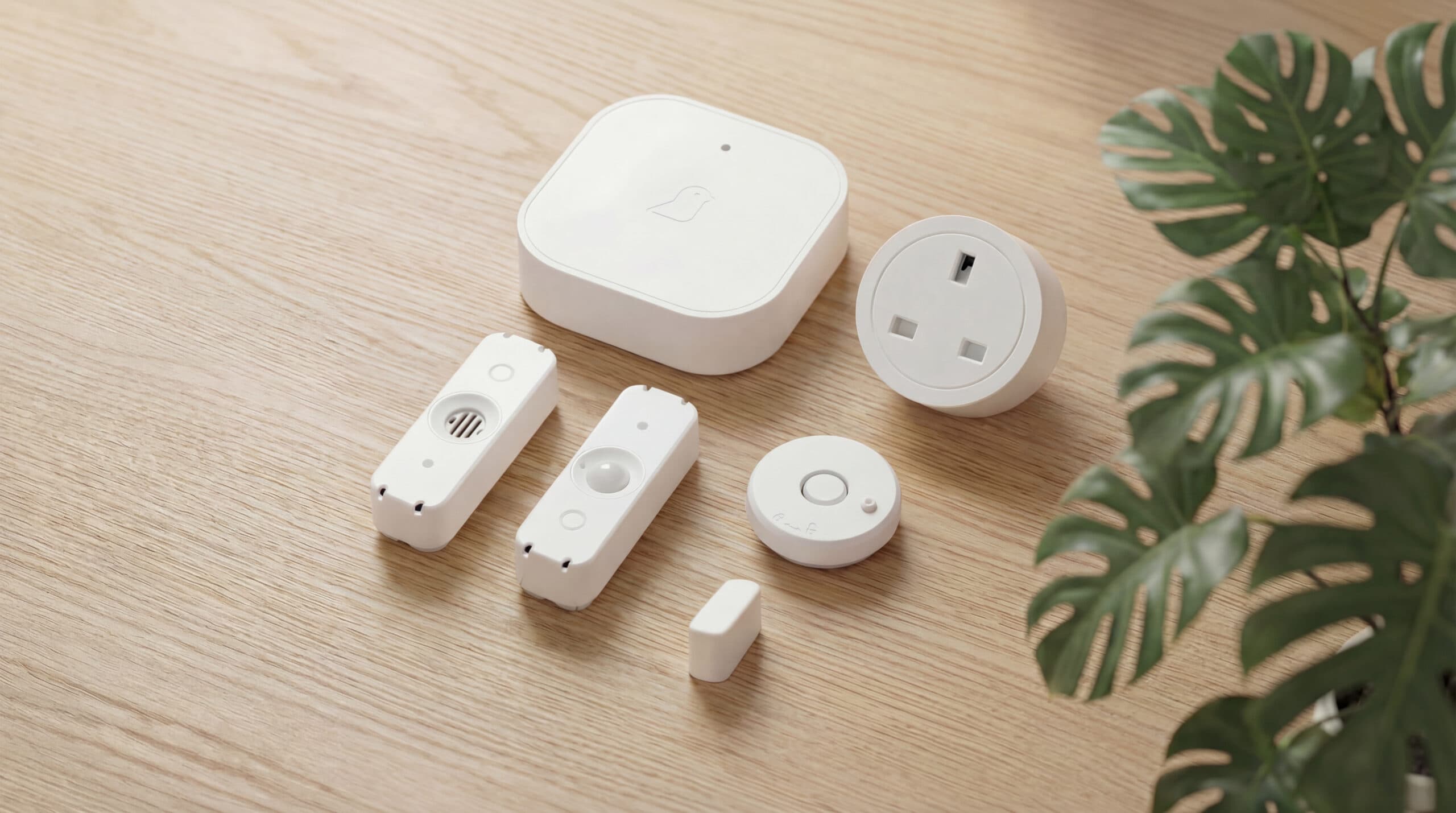
Canary Care sensors were installed in Callum’s new home, which allowed care staff to discreetly monitor daily activity – without cameras, microphones, or wearables – gaining insight into how he was adjusting without constantly checking in. Staff could easily spot any changes in behaviour and identify when and where extra support might be needed.
Suddenly the balance that was hard to find was being found. Since moving out of ward care, Callum has built a more independent and stable life in his new home, where he feels secure and responsible. As he gained independence in a safe, gradual way, his ability to self-regulate improved, his confidence grew, and he became increasingly involved with the wider community which acted as a natural care safety net.
Outcomes
With sensors in place to discreetly track how Callum was getting on, fewer staff check-ins were needed – especially at night.
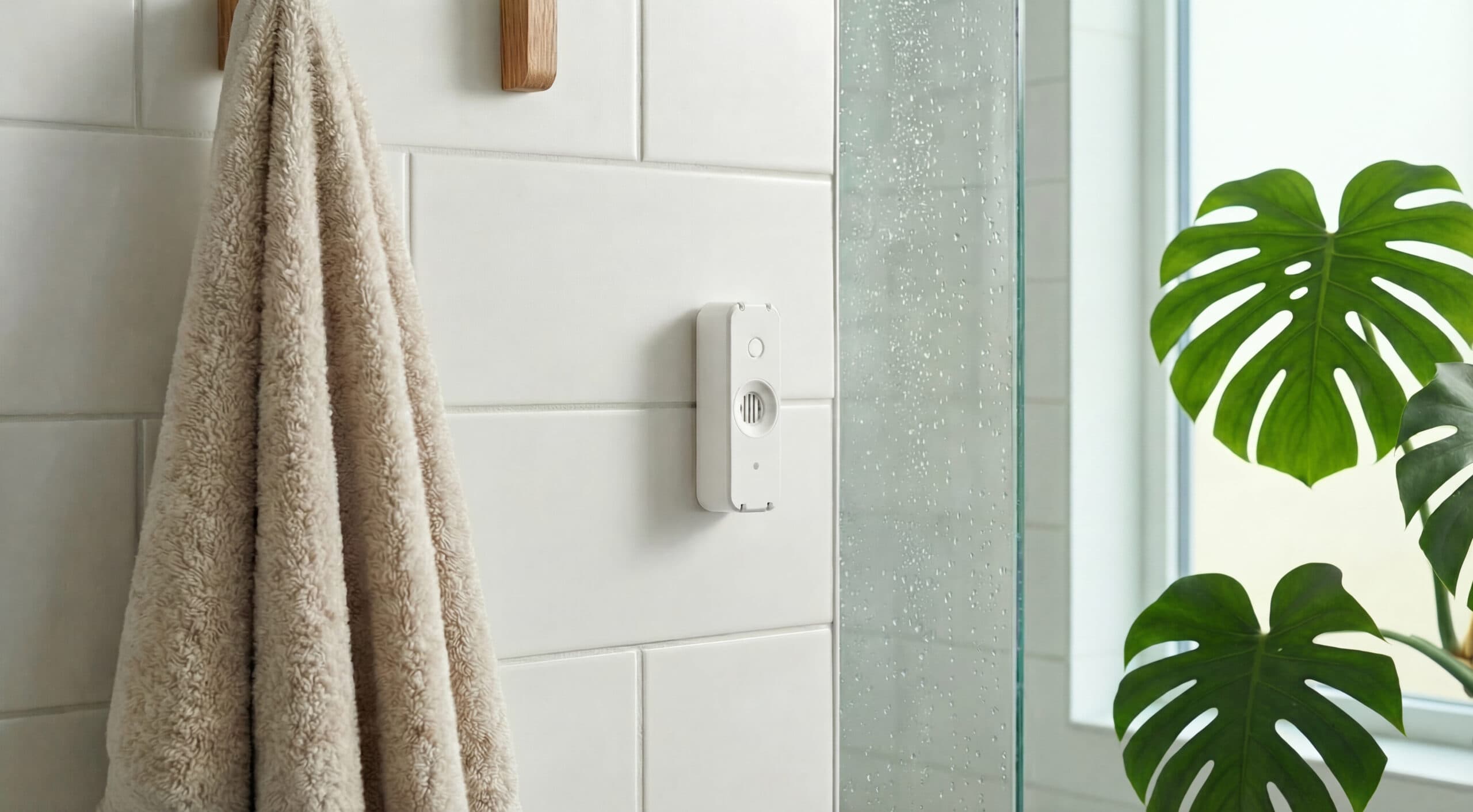
Canary Care helped staff spot any changes to his routine early, meaning they could intervene before issues got worse.

Staff were reassured they’d be alerted to any problems or changes in routine. This empowered them to safely step back, knowing that they'll be able to visit when it's actually needed.
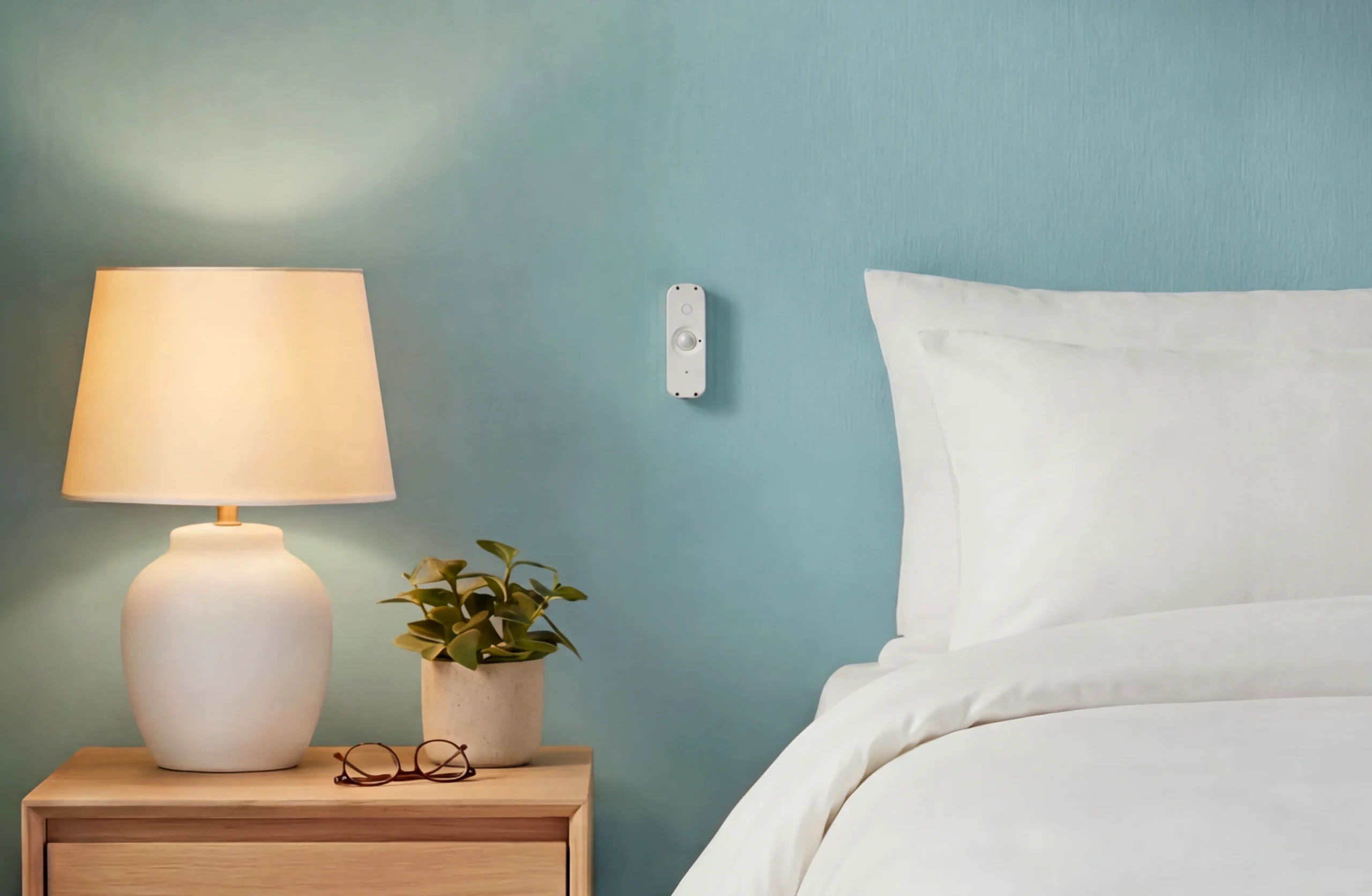
The presence of Canary Care sensors reassured Callum himself that help was on hand if needed, without undermining growing independence. He felt trusted and respected, rather than monitored.
Get started
For confidentiality, names, ages, and some identifying details have been altered. All case studies reflect real life experiences.