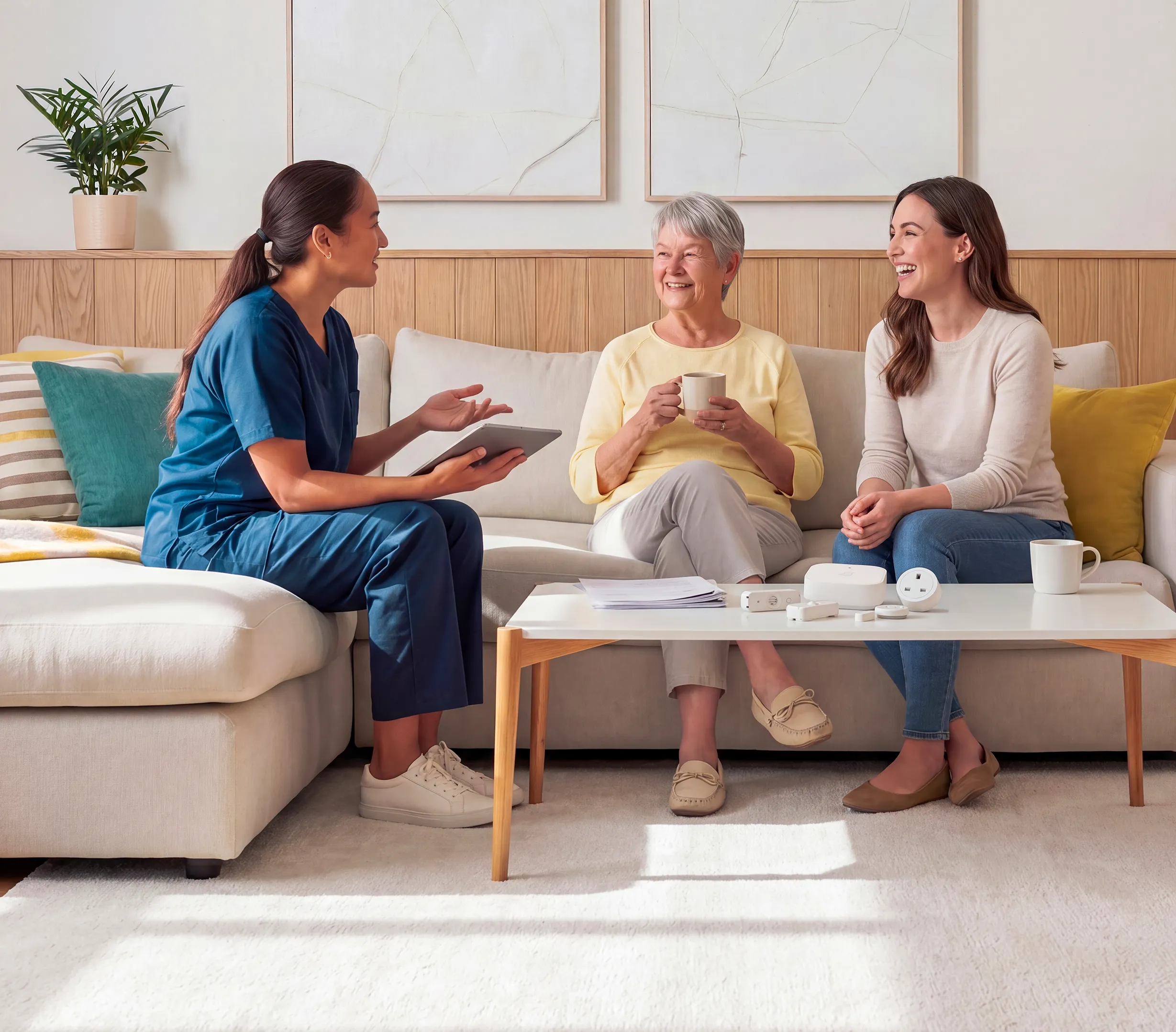
Caring from afar
Canary Care’s passive monitoring system helps give families peace of mind that older loved ones are managing well, even when they can't be there in person. Our sensors helped build a bigger picture of how someone is coping at home.
Here’s how our care monitoring technology has helped real families and care teams support vulnerable people to live more independently. Read our case studies to see Canary Care in action, and find out how we’re helping deliver improved, proactive care outcomes.

Care when you can't be there
Case studies
Explore our case studies to see how remote care monitoring has supported people in a range of situations to live independently.
Our team
At Canary Care, we pride ourselves on facilitating care, even when you can’t be there. Every one of us are working towards the same goal – helping families and organisations support people to live independently.
Improving lives
Canary Care is all about doing more with less. We’ve created technology that truly can make the experience of giving – and receiving – care easier, more efficient and more manageable for everyone involved.
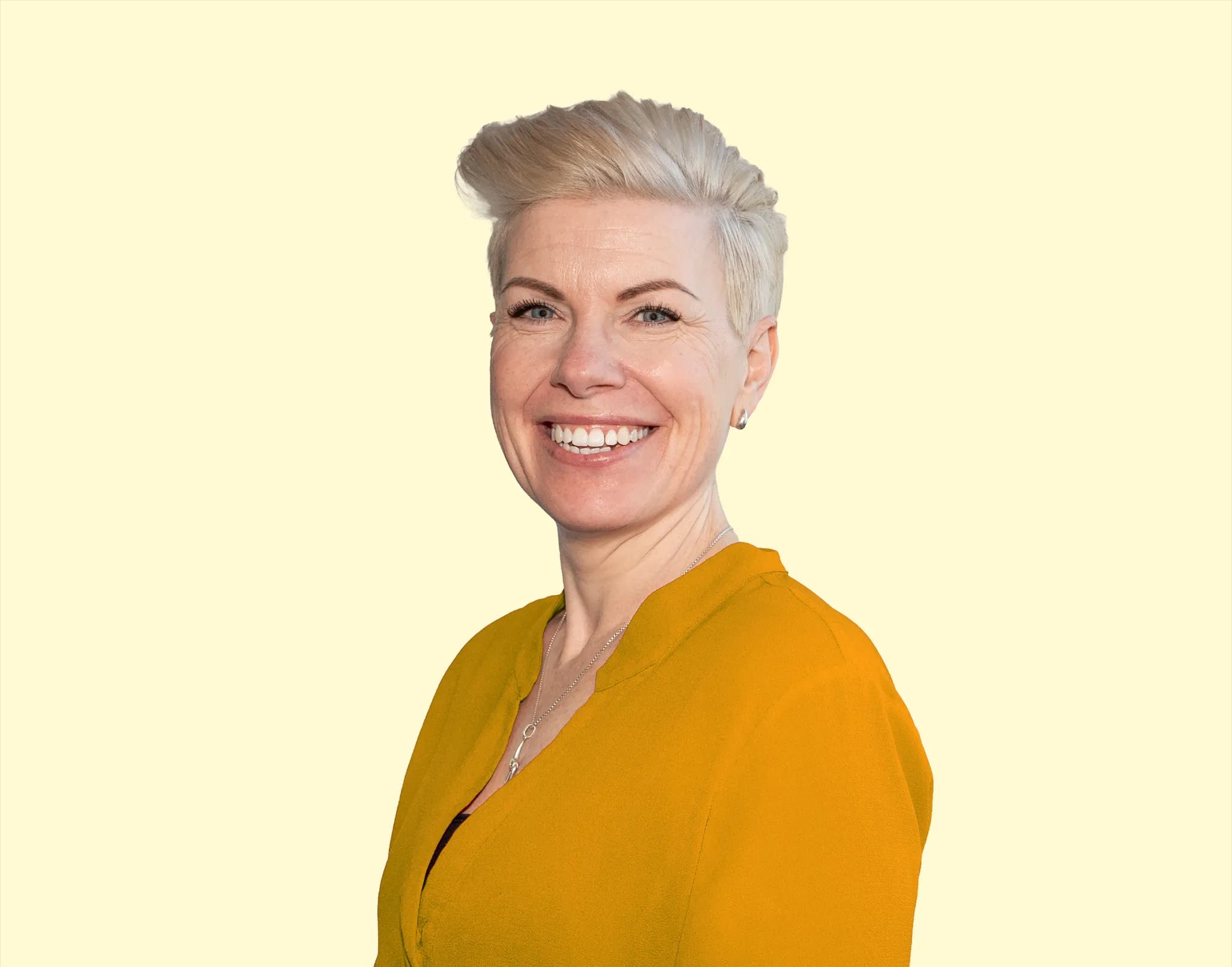
With more than 15 years of experience across the Health and Social Care industry, I’ve seen first-hand the challenges that come with caring for those living independently, which is why our solutions are always built with people as the priority.
I’m delighted that our discreet sensors are already helping right-size care and offer true peace of mind, and I’d love to continue working with as many organisations and families as possible as we continue to make real, positive change in the care industry.
Customer stories
We’ve got countless examples of how Canary Care’s remote care monitoring helps health and social care teams, from local authorities to domiciliary care providers, deliver improved outcomes for the people they support, at scale. But don’t just take our word for it.
When Paul was released from hospital after picking up a urinary tract infection, his care needs understandably increased – which presented difficulties for the – already thin – care worker resources. Not only was Paul more confused than usual, but he was regularly scalding himself when making cups of tea at night.
Canary Care technology helped Paul get the support he needed, without adding extra pressure. His care workers were able to creatively install sensors behind the kettle, and on both doors. This meant that if a sensor was triggered during the night, a notification was immediately sent to staff, so they could visit his home for a welfare check.
Our care monitoring system helps NHS teams reduce unnecessary hospital readmissions and streamline their discharge to assess process – which improves patient outcomes for individuals like Paul, allowing for better resource planning.
Chandra was admitted to hospital after a fall at home where she broke her hip. After weeks of rehabilitation, Chandra’s family were still understandably worried about her returning home without around the clock care.
After installing Canary Care products, it became clear Chandra was very capable on her own – with our motion sensors showing her turning on the shower, using the kettle, and moving freely from room to room. In just 4 weeks, Chandra no longer needed daily care visits – with our tech, not only was she able to live independently, but we helped free up an all-important hospital bed.
Her story is a perfect example of a successful reablement care plan, where our technology gave a local authority the insights needed to support independence and prevent unnecessary ongoing care visits.
Bob has early onset Dementia and his family have always been keen for him to remain at home. He regularly takes medication for his high blood pressure, but after a spike in readings, they were concerned for his wellbeing.
We installed a sensor inside his medicine cupboard so that if Bob didn’t open the door at a certain time every day, his family were notified – leading to better medicine management. Not only did this give Bob’s family confidence in his ability to live alone, it saved unnecessary local authority spending, ensured medication adherence, and prevented a potential crisis – all while avoiding unnecessary hospital visits.
After showing limited mobility and possible dehydration, Anne’s family were concerned about how she was managing everyday tasks in her home. Once we installed a Canary Care system, we helped her family identify that she was staying in the living room for long periods of time and rarely used the kitchen.
We helped set up alert notifications based around a lack of movement, if the fridge wasn’t opened for long periods, and if the kettle wasn’t turned on. This meant Anne’s family were able to regularly check in and remind her to drink and move about.
Our adult social care technology not only provided alert notifications on limited activity, but also vital insights that helped the care team improve Anne’s mobility and nutrition, reducing the need for continuous paid care visits to support long-term independence at home.
Sam's story
Canary Care helped Sam to stay at home longer while living with dementia, offering his family peace of mind.
Caring for a family member with Canary Care helps give families peace of mind, knowing their loved one is coping well at home, independently.
Here’s just one example of how care monitoring can help keep family members, such as ageing parents, safe and supported in their own homes.
Sam, an 80-year old gentleman, was living by himself at home during the late stages of dementia.
As his condition progressed, Sam began leaving his home in a vulnerable state. One winter, the police discovered him walking his dog outside in the middle of the night. It was minus six degrees outside, and he was wearing his pyjamas.
Understandably, this wandering worried Sam’s family. However, with Christmas approaching they were determined to give their dad one more holiday at home before considering a move into residential care. Sam shared their wishes.
Hoping to help their dad continue living independently at home for as long as possible, Sam’s family got in touch with Canary Care. We installed our care monitoring system the very next day.
With the sensors in place, Sam’s children could remotely check how he was managing at home. They also set up custom notifications, so they would be alerted when something didn’t look right.
For Sam, this meant focusing on front door exits so they could respond quickly if he began to wander. We set up a calling circle with Sam’s close family to ensure they were notified as soon as he left the house.
Once the system was set up and explained to Sam’s family, they began to see benefits right away. Being able to check in on their dad, and intervene right away if he wandered, enabled the family to help him live independently at home for a further 10 weeks.
Before he moved into a residential care home, Sam enjoyed Christmas in safely and comfortably in his own home, as he had wanted.

Get started
For confidentiality, names, ages, and some identifying details have been altered. All case studies reflect real life experiences.