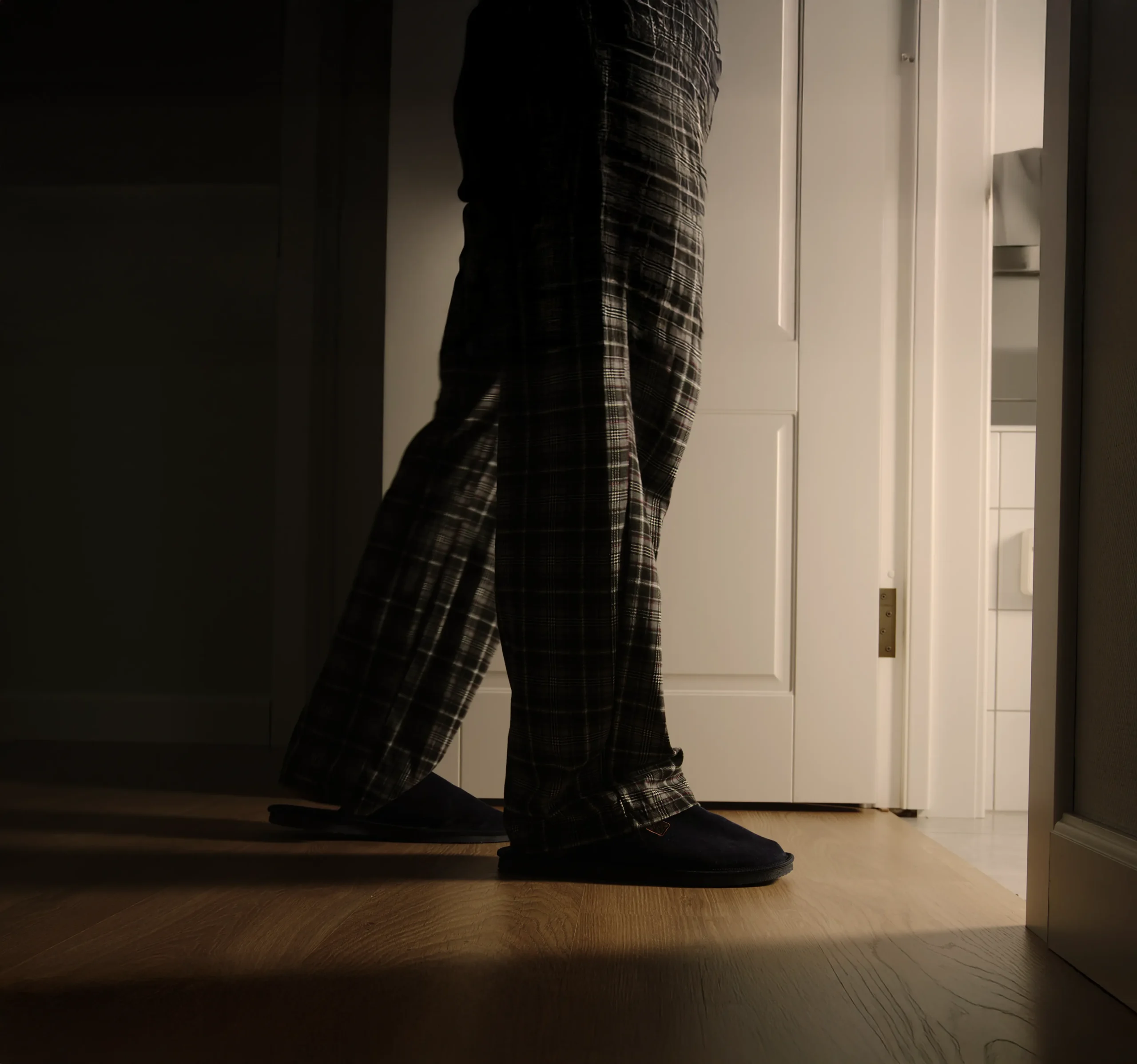
Reduced risk of wandering
The Canary Care system alerts Tom's family to unsafe behaviour such as wandering, allowing them to quickly intervene when necessary.
Canary Care’s activity-monitoring system helped Tom’s family understand how he was managing, getting him the support he needed to keep living at home.

Snapshot
For people living with dementia, living alone at home can be risky – but Canary Care technology can help individuals like Tom live safely in their own homes for as long as possible.




Challenges
In order to keep Tom safe at home after his diagnosis, his care team and family faced a few key challenges.

Tom lived alone, and while he received regular visits from care workers and occasional visits from loved ones, his family naturally wanted to see how he was managing between visits.

He would sometimes wander outside at night with no warning. His family and care team needed to know as soon as this happened so they could intervene quickly, but it was very unpredictable.

Tom’s care workers also wanted to better understand his daily activity, so they could spot changes in behaviour that might suggest he was deteriorating or needed extra support.
Tom lived alone, and while he received regular visits from care workers and occasional visits from loved ones, his family naturally wanted to see how he was managing between visits.
He would sometimes wander outside at night with no warning. His family and care team needed to know as soon as this happened so they could intervene quickly, but it was very unpredictable.
Tom’s care workers also wanted to better understand his daily activity, so they could spot changes in behaviour that might suggest he was deteriorating or needed extra support.
Solution
Our remote activity-monitoring helped Tom’s care team spot and respond to behavioural patterns linked to wandering and poor health as soon as they happened, not just during care visits.
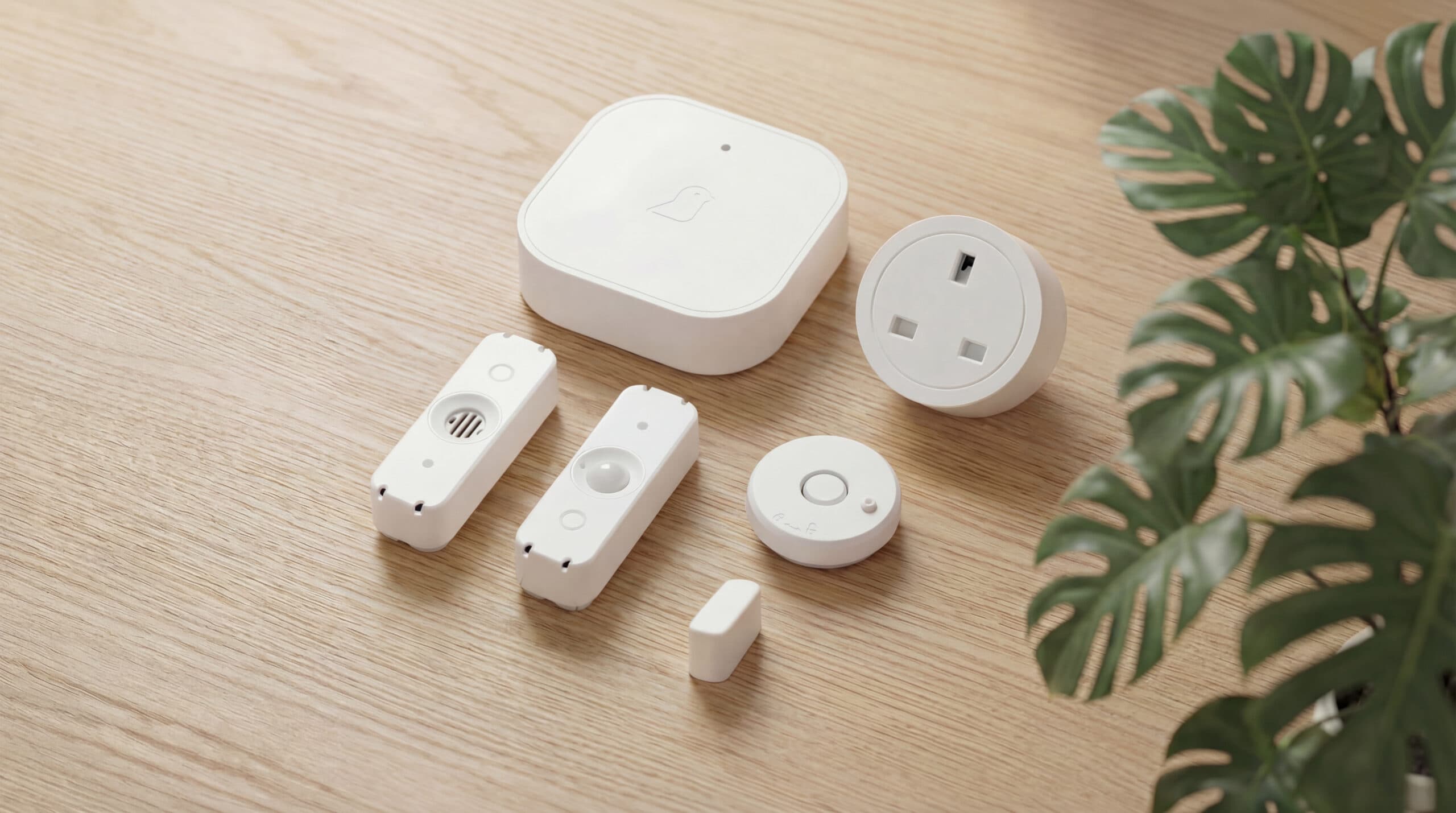
As part of the care plan, Canary Care sensors were installed in Tom’s home. Door and motion sensors helped monitor regular activity patterns, and alert family members and care workers if something usual happened. With no cameras or microphones, Tom could also maintain privacy at home.
With the data from Canary Care’s activity monitoring, Tom’s family and care team could spot activity patterns that were linked to his wandering, helping them manage the issue and predict when he might need help.
Since the dementia had affected his ability to communicate, the Canary Care system also helps ensure any symptoms of illness are picked up on before things get worse. Information about bathroom visits also helped identify when he’d contracted a urinary tract infection on more than one occasion.
Outcomes
The Canary Care system alerts Tom's family to unsafe behaviour such as wandering, allowing them to quickly intervene when necessary.
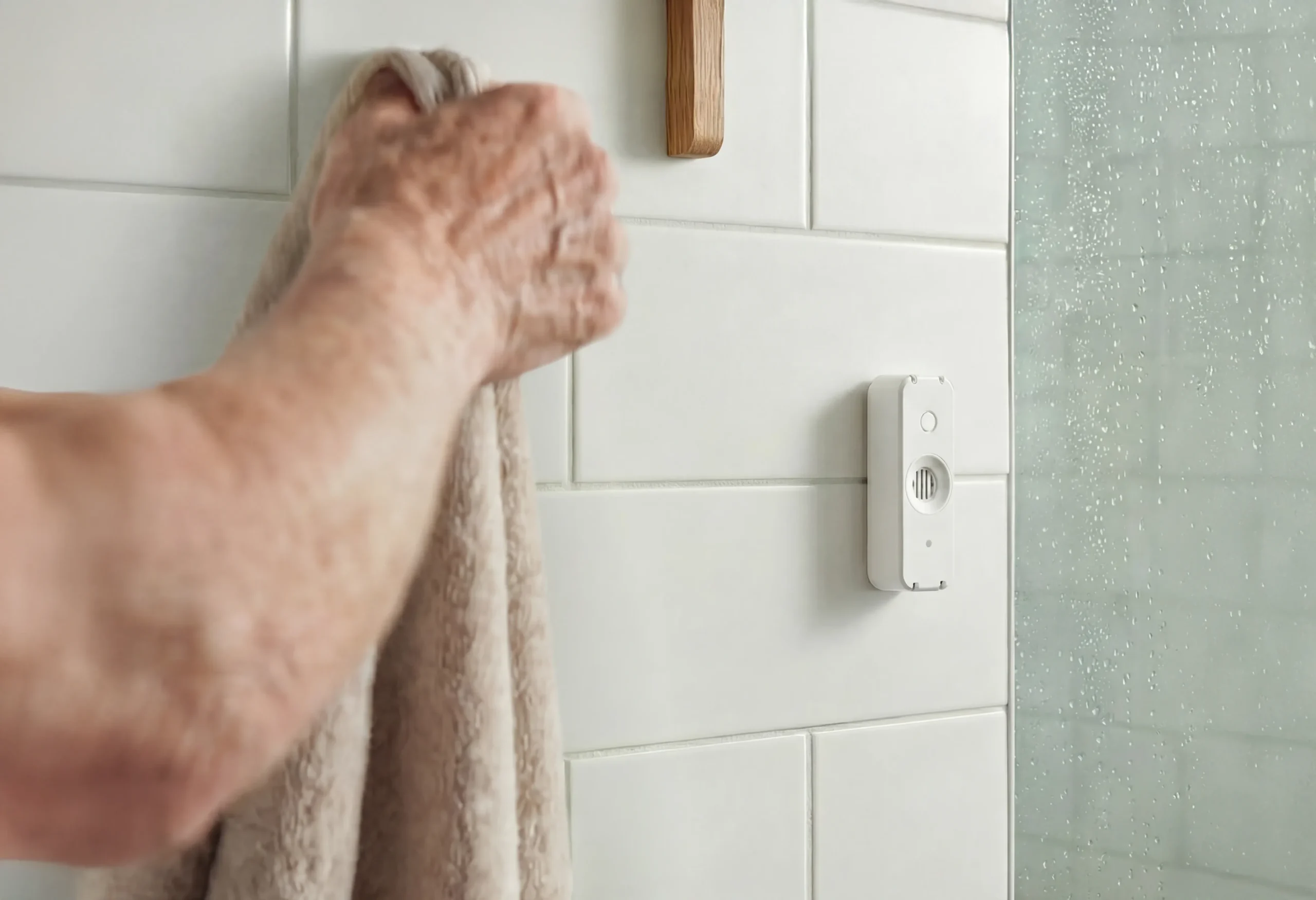
Canary Care revealed the patterns of activity linked to wandering, and these insights made it easier for the family and care team to offer the right support at right time.

As the dementia progressed, Tom became less able to communicate when he was unwell. The Canary Care system now helps his family spot patterns that indicate health problems, ensuring he receives the medical attention he needs before the situation gets worse.

For more than six years, the Canary Care system has helped Tom's family understand how he’s managing at home. The alerts and insights have reassured his family that he’s getting the right support, enabling safer living at home.

Get started