Case study

How Canary Care helped Meg get back on her feet

Our activity monitoring system supported Meg’s return home after a three-week stay in hospital, equipping her family and carers with practical insights that informed confident care decisions.  

Snapshot

A breakdown of Meg’s situation

When it was time for Meg to be discharged from a hospital stay, getting the balance right between ongoing support and independence was pivotal.

History

Meg is an 87-year old widow who lives on her own at home, with grown-up sons who live outside the country. However, she's fit and active, and able to live her life safely and independently.

Incident

After an unexpected fall at home, Meg suffered an infection and had to stay in hospital for 3 weeks while she recovered.

Support

Not only did the fall make Meg weaker, but the time away from home left her feeling less confident without the around-the-clock, in-person support she had in hospital.

Challenges

What were Meg’s key challenges?

When it was time for her to leave hospital, Meg’s family and care team faced three key challenges when it came to assessing if she was able to safely live at home independently.

Visibility

Meg lived alone, and while her care team were visiting regularly after her fall, they needed a way to understand how she was getting on between visits. 

Reassurance

After the hospital stay left her frailer and with knocked confidence, Meg and her family were keen to receive reassurance that she would be properly supported at home. 

Accessibility

Two of Meg’s grown-up sons lived overseas, which meant they couldn’t easily see how she was managing day-to-day, and needed something to make the long distance more manageable.


Visibility

Meg lived alone, and while her care team were visiting regularly after her fall, they needed a way to understand how she was getting on between visits. 

Reassurance

After the hospital stay left her frailer and with knocked confidence, Meg and her family were keen to receive reassurance that she would be properly supported at home. 

Accessibility

Two of Meg’s grown-up sons lived overseas, which meant they couldn’t easily see how she was managing day-to-day, and needed something to make the long distance more manageable.


Solution

How did Canary Care help?

By managing a return to independent living with our remote activity-monitoring system, Meg’s family and care team had the benefits of 24/7 insight, without having to physically be there every minute of the day.

The solution

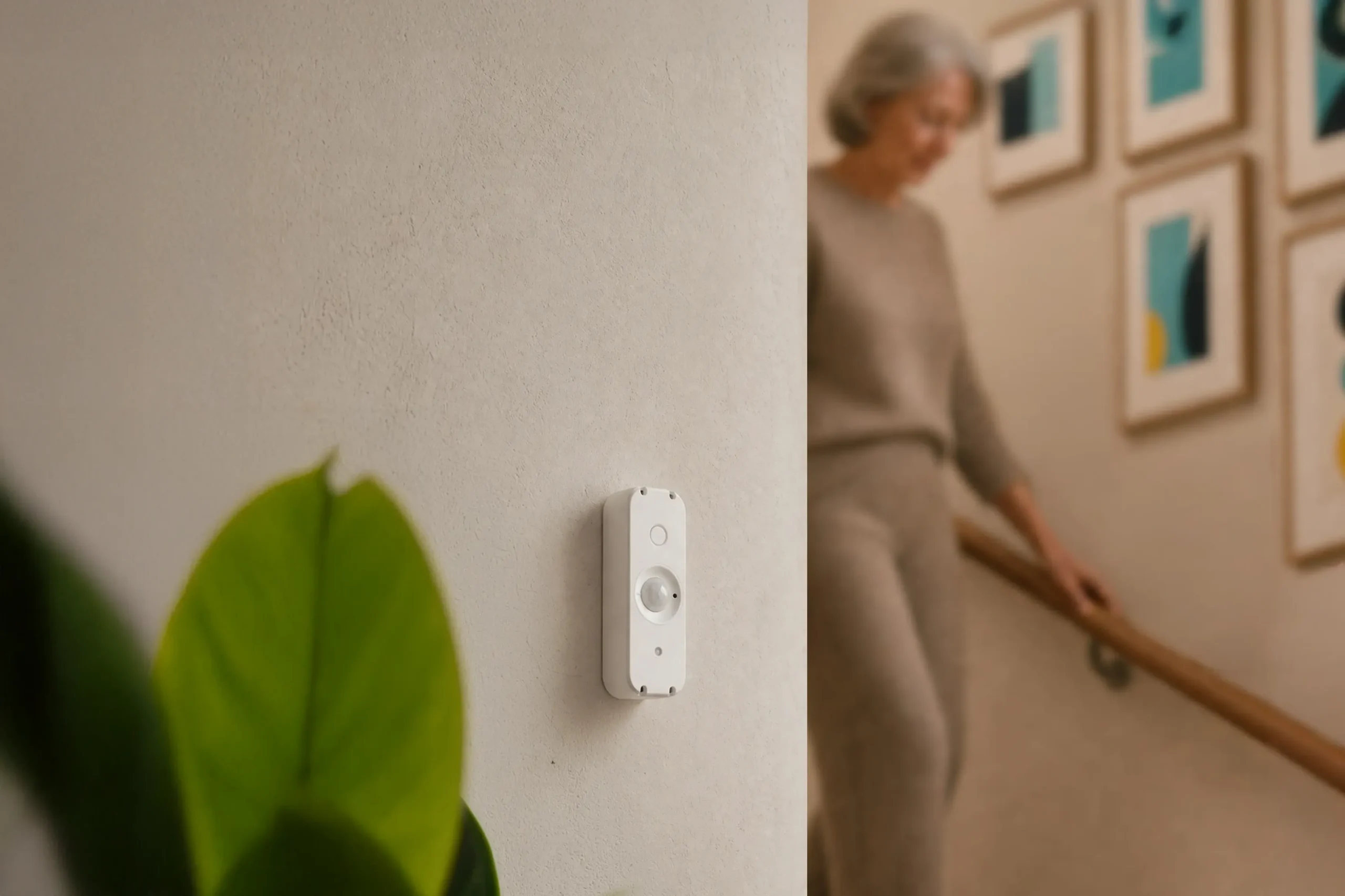
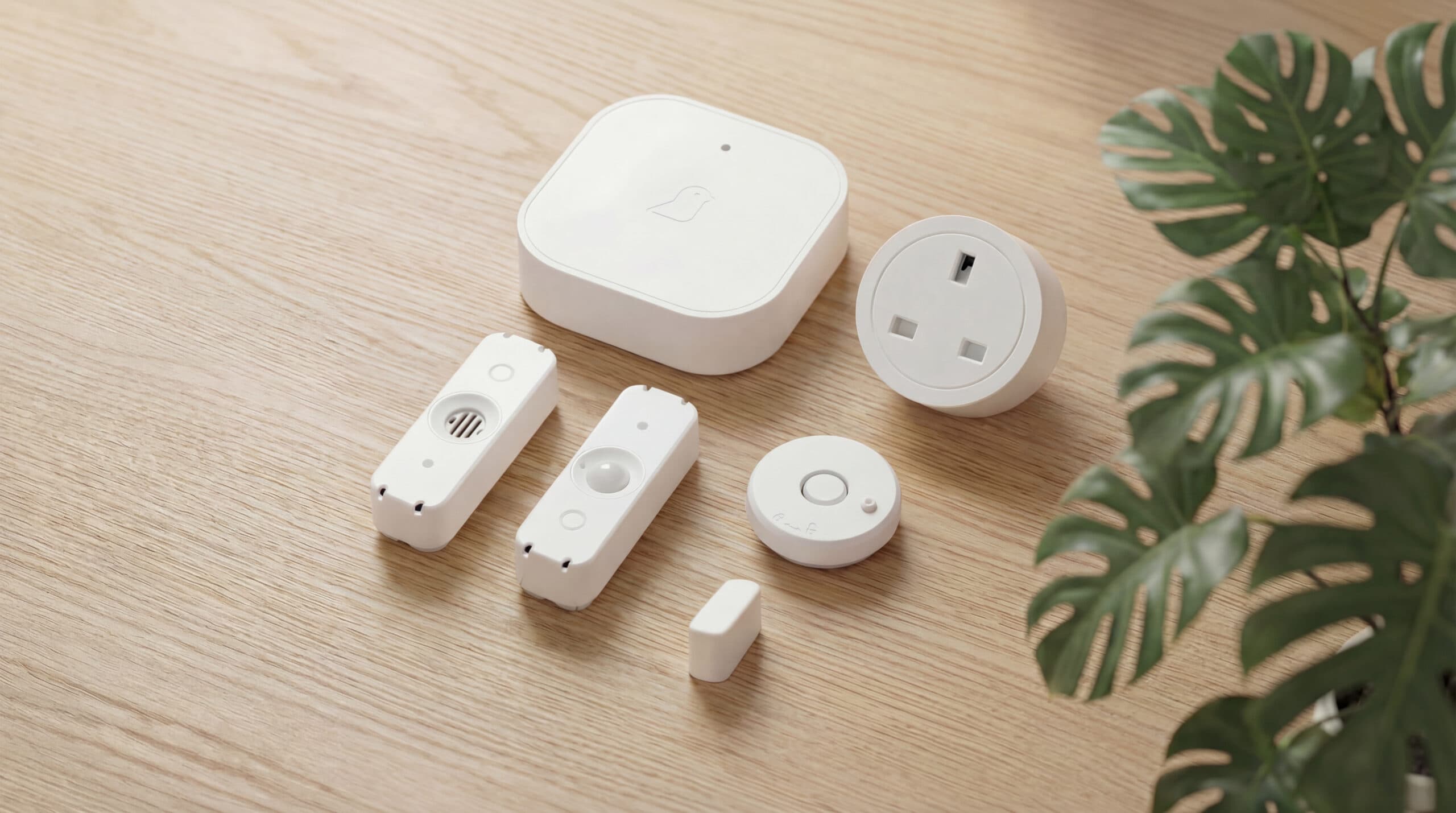
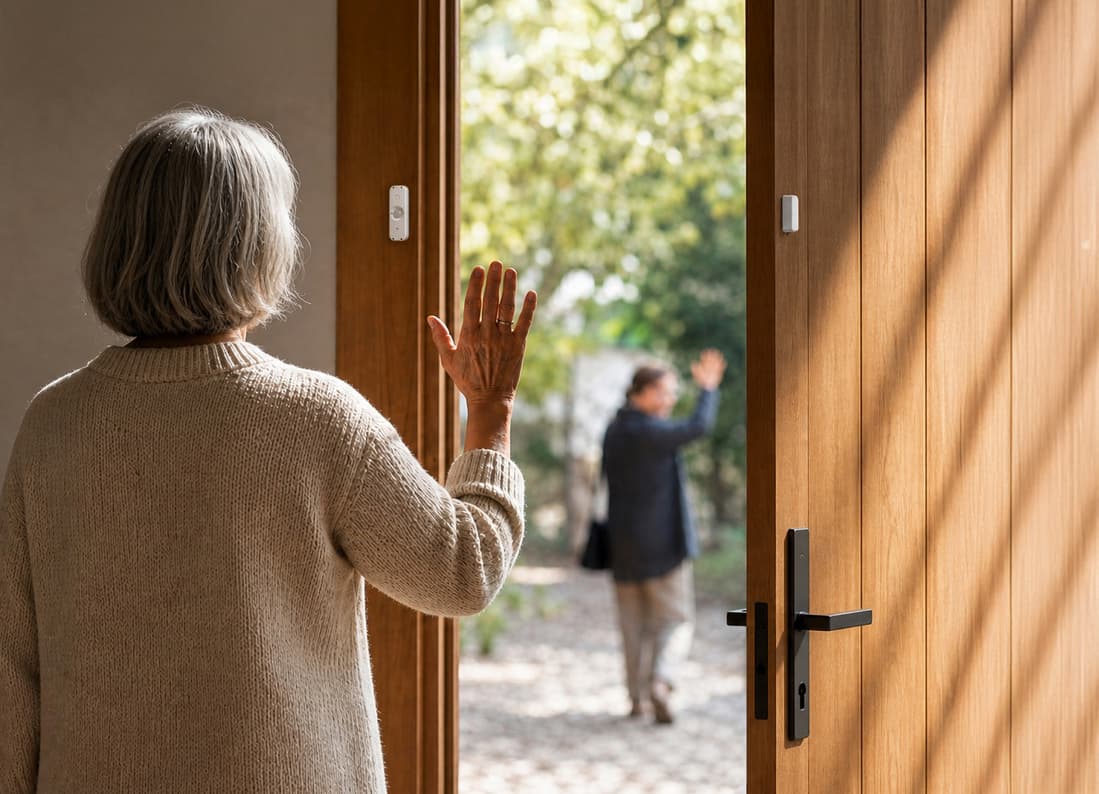
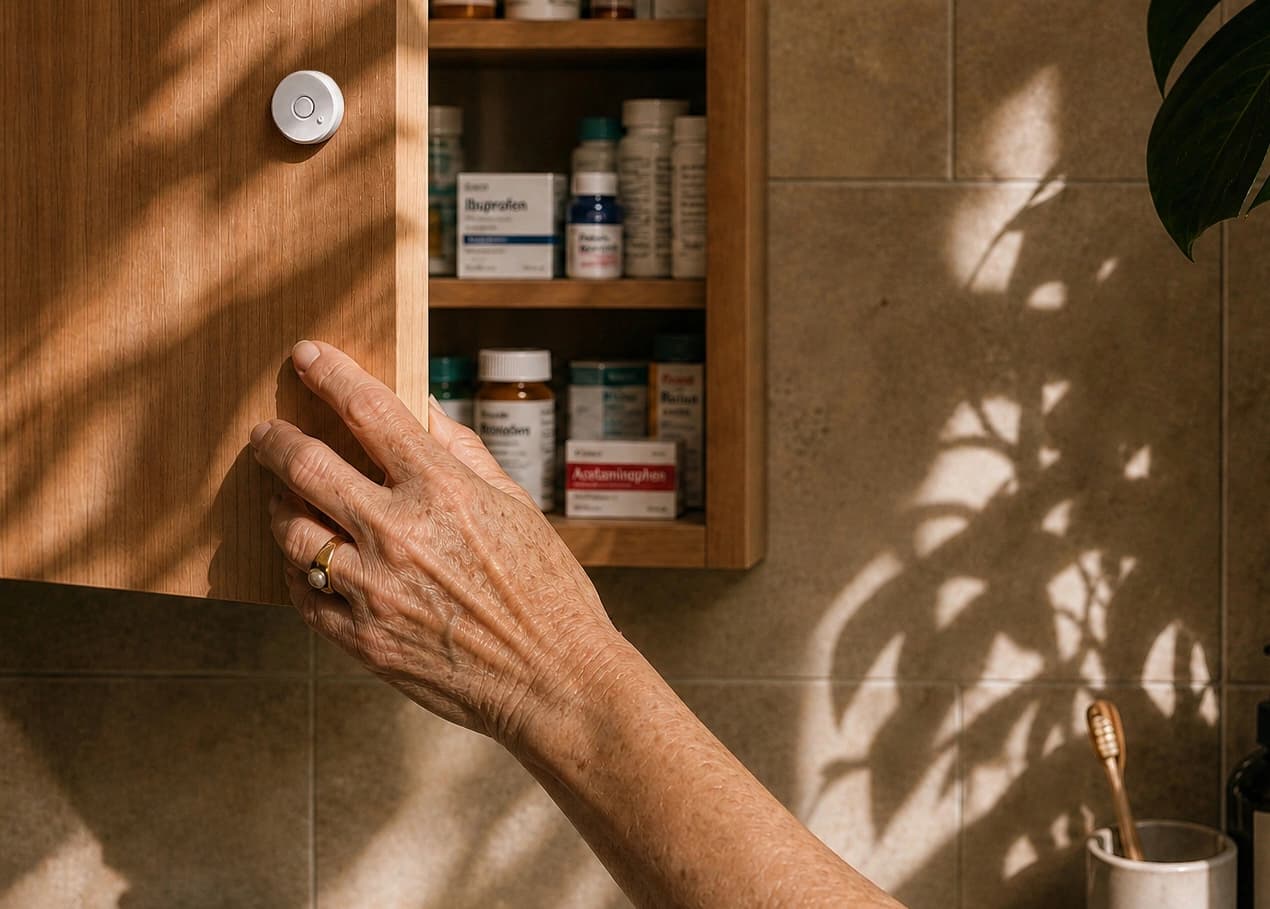
As part of her short-term care package, discreet Canary Care sensors were installed in key areas of Meg’s home – such as the kitchen, front door, and bathroom. She happily agreed to this approach, recognising the value of a system that allowed carers and family to check in, without compromising her privacy.  

The results

In the weeks that followed her return home, the activity monitoring system showed Meg was able to move about the house independently, and perform crucial self-care tasks such as using the bathroom, washing, and preparing food and drink. Humidity sensors also confirmed that her home remained warm and comfortable. 

Door sensors helped keep track of care worker visits. Meg’s carers were able to see that she remained active after they left, providing further evidence of her independence, and reassurance to her family.

What were the benefits?

Outcomes

Canary Care's monitoring data provided practical evidence to support care decisions. Instead of relying only on observations during scheduled visits, Meg's family and care team could see how she was managing throughout the day and right-size her care needs.
  • Reassurance for Meg and her family

    Reassurance for Meg and her family

    Having the Canary Care system in place reassured Meg that loved ones could check in, and intervene if she was having difficulty looking after herself. Two of her sons soon returned to everyday life – one flew home, and another went back to work – feeling confident that their mum was safe at home thanks to the Canary Care insights.

  • Person using the Canary Care Portal on a tablet to check real-time activity insights based on an individual’s routine at home.

    Ongoing insight

    Over the next few months, Meg’s recovery continued. The Canary Care system logged a consistent routine – washing, meal preparation, and regular visits to a local extra-care facility for lunch – all without cameras and microphones. Her family could view a full activity timeline and spot any changes in her level of physical activity.

  • Problems spotted early

    Problems spotted early

    As well as tracking her day-to-day movements, Canary Care was set up to alert Meg’s family if ever something unusual happens. For example, alerts are now sent if her front door is opened after 7pm (suggesting an unexpected visitor), or if she remains in the bathroom for longer than usual (suggesting she might have had a fall).

  • Home care safely withdrawn

    Home care safely withdrawn

    With the positive picture painted by the Canary Care system – and backed up by case notes from care workers – Meg’s care team made the decision to withdraw domiciliary care shortly after the activity monitoring system was installed.

Get started

Speak to an expert today

Families and care teams face challenges taking care of people like Meg every day, and Canary Care can help. To get started, use our contact form below.

For confidentiality, names, ages, and some identifying details have been altered. All case studies reflect real life experiences.